






-
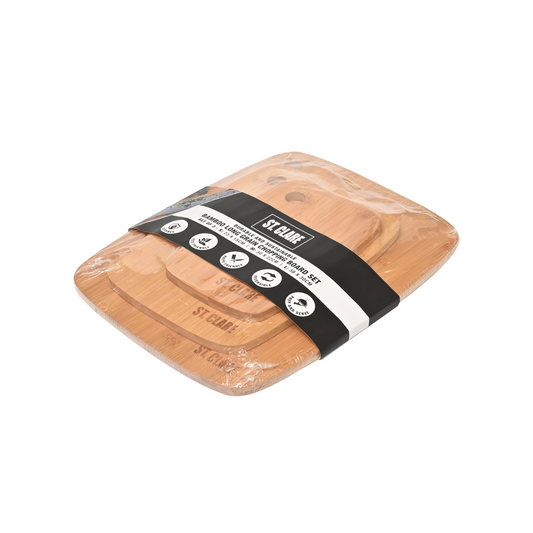
Classica St. Clare Bamboo Long Grain Rectangle Chopping Board Set Of 3Bamboo Long Grain Chopping Board, set of 3 Size: S: 23 x 15CM; M: 30 x 22CM; L: 38 x 30CM Features:- Made from 100% solid sustainable bamboo wood.- Unique natural wood with variations in colour and grain.- Ideal for cutting, chopping and serving. Care Instructions:- Gentle hand...42% off
- $19.95
-
$34.99 - $19.95
- Unit price
- per
-
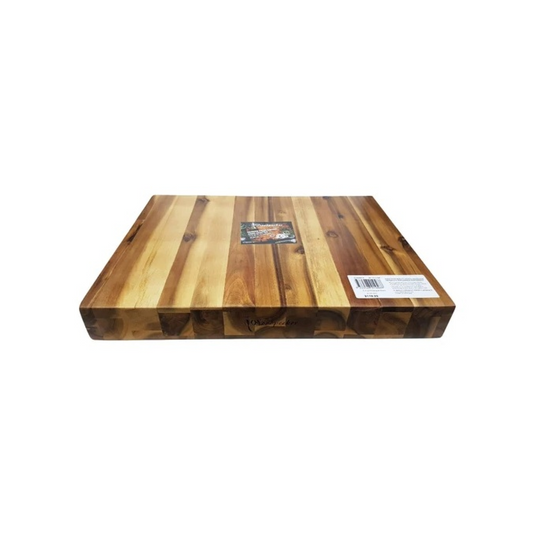
Classica Acacia Rectangular Chopping Board 48 X 36 X 6cmAcacia Rectangular Board Size: 48 x 36 x 6cm Features:- Made from 100% solid sustainable acacia wood.- Unique natural wood with variations in colour and grain.- Ideal for cutting, chopping and serving. Care Instructions:- Gentle hand wash and dry with cotton cloth.- Do no submerge in water.- Not...54% off
- $55.00
-
$119.95 - $55.00
- Unit price
- per
-
Classica Square Acacia Chopping Board Size: 35 X 35 X 4.0cmSquare Acacia Chopping Board Size: 35x35x4.0cm Features:- Made from 100% solid sustainable acacia wood.- Unique natural wood with variations in colour and grain.- Ideal for cutting, chopping and serving. Care Instructions:- Gentle hand wash and dry with cotton cloth.- Do no submerge in water.- Not suitable for dishwasher...44% off
- $39.00
-
$69.95 - $39.00
- Unit price
- per
-
SVNA STACKING CHOPPING BOARDS SET OF 3SVNA brings together professional quality materials and award-winning design to offer smarter kitchenware for the modern cook.Create delicious meals with the Stacking Chopping Boards 3pcs Set.The space-saving design includes a stand for easy storage.Durable construction with classic style.Set includes three different sizes and a...43% off
- $34.00
-
$59.99 - $34.00
- Unit price
- per
-
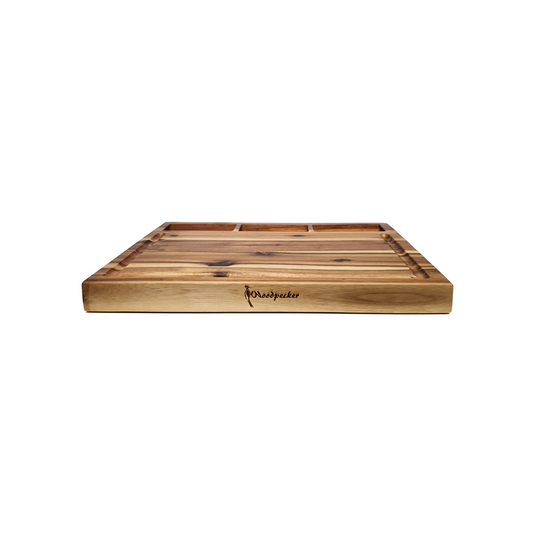
Classica Acacia Larger Rectangle Board Size: 48 X 35 X 4cmRectangle acacia chopping board with built-in bowls. Size: 48 x 35 x 4cm Features:- Made from 100% solid sustainable acacia wood.- Unique natural wood with variations in colour and grain.- Ideal for cutting, chopping and serving. Care Instructions:- Gentle hand wash and dry with cotton cloth.- Do no...68% off
- $41.21
-
$129.95 - $41.21
- Unit price
- per
-
SWISS DIAMOND DLX PREMIUM KITCHEN CUTTING BOARD 40x30x3cmThis Acacia wood chopping board is the perfect accessory for any cook kitchen, home chef, or professional.Use for food prep, as well as food serving and display. The perfectly sized block is great for preparing dishes, chopping ingredients, slicing, and dicing. Acacia is strong,...50% off
- $49.95
-
$99.95 - $49.95
- Unit price
- per
-
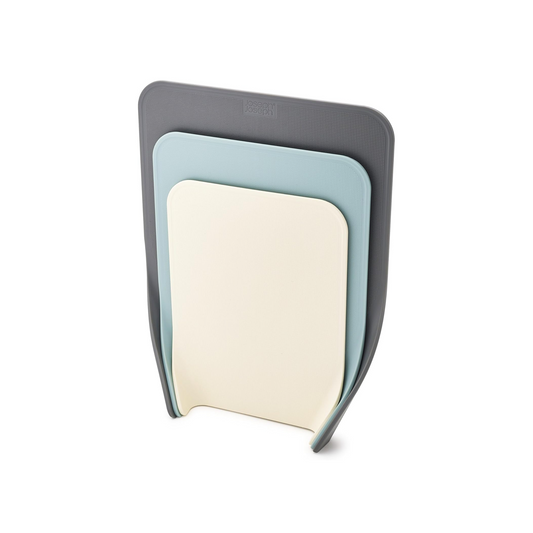
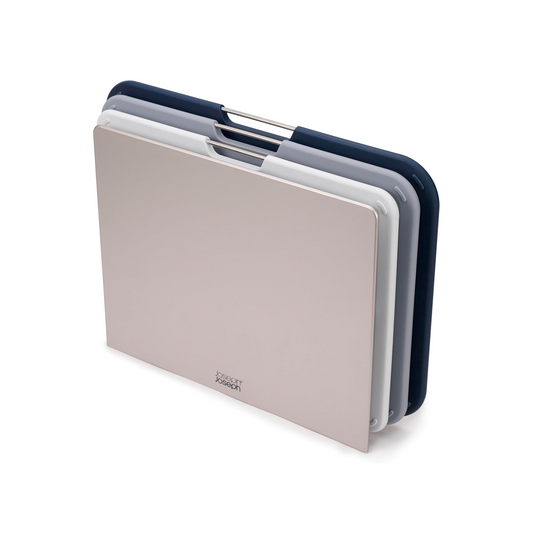
JOSEPH JOSEPH Nest Chop - Opal"Nest™ Chop 3-piece Grey Chopping Board Set DetailsThe three different sized chopping boards in this set all stand upright and nest together to take up less room in your kitchen. Boards fit neatly together for organised storageEasy-pour ends guide chopped food into a panKnife...46% off
- $32.33
-
$59.95 - $32.33
- Unit price
- per
-
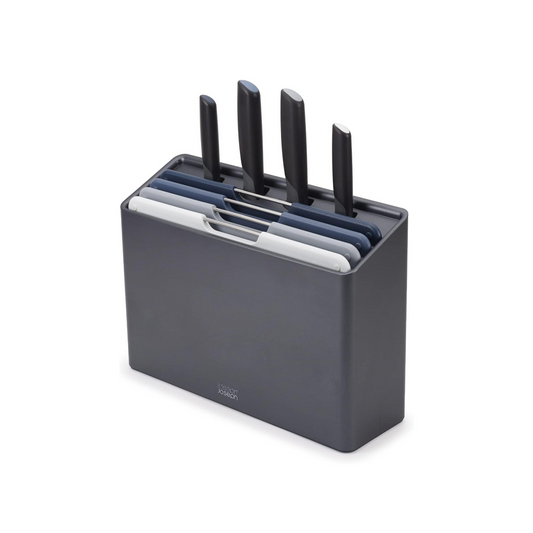
JOSEPH JOSEPH Folio Plus 8pc Knife & Board Set (Graphite)"Folio™ Plus 8-piece Grey Knife & Chopping Board DetailsFolio™ Plus brings together four colour-coded chopping boards with four corresponding knives. Each chopping board provides knife-friendly cutting surfaces, stainless-steel selecting bars and non-slip feet. The four Japanese stainless-steel knives feature integrated tool rests that help...44% off
- $137.83
-
$249.95 - $137.83
- Unit price
- per
-
JOSEPH JOSEPH Folio Icon 5pc Board Set Regular (Multicolour)"Folio™ Icon 4-piece Multicolour Chopping Board Set Regular DetailsEvery great meal starts with a great chopping board, so we designed Folio™ Icon to make the food-prep process more efficient and enjoyable. Our bestselling chopping board set includes four colour-coded boards each featuring an illustrated...47% off
- $73.95
-
$139.95 - $73.95
- Unit price
- per
-
JOSEPH JOSEPH Folio 5pc Board Set Regular - Graphite"Folio™ 4-piece Grey Chopping Board Set Regular DetailsEvery great meal starts with a chopping board, so we designed Folio™ to make the food-prep process more efficient and enjoyable. Our chopping board set includes four colour-coded boards with knife-friendly, textured surfaces and non-slip grip feet...40% off
- $83.20
-
$139.95 - $83.20
- Unit price
- per
-
JOSEPH JOSEPH ChopCup Vegetable Dicer - White"ChopCup™ White Vegetable Chopper DetailsThis clever, compact vegetable chopper is perfect for quickly chopping onions or for making chips or sticks from potatoes, carrots and courgettes. Perfect for chopping onions and making chips or sticks from potatoes, carrots and courgettesSharp, stainless-steel bladesCollects chopped pieces...44% off
- $27.70
-
$49.95 - $27.70
- Unit price
- per
-
Classica Acacia Rectangular End Grain Chopping Board 50 X 38 X 4cmRectangle end grain acacia chopping board. Size: 50 x 38 x 4cm Features:- Made from 100% solid sustainable acacia wood.- Unique natural wood with variations in colour and grain.- Ideal for cutting, chopping and serving. Care Instructions:- Gentle hand wash and dry with cotton cloth.- Do no submerge...46% off
- $69.95
-
$129.95 - $69.95
- Unit price
- per
-
Joseph Joseph Folio 5 piece Chopping Board Set Large - EditionsEvery great meal starts with a chopping board, so we designed Folio™ to make the food-prep process more efficient and enjoyable. Our chopping board set includes four colour-coded boards with knife-friendly, textured surfaces and non-slip grip feet for safer slicing, chopping and dicing. Stainless-steel...53% off
- $73.95
-
$159.95 - $73.95
- Unit price
- per
-
JOSEPH JOSEPH Nest Boards Regular 3 Piece Set - Grey"Nest™ Boards 3-piece Grey Chopping Board Set DetailsThese sleek 3-piece chopping board sets come complete with their own storage stand that holds the boards apart for fast drying. Colour-coded chopping boards with non-slip feetKnife-friendly, textured cutting surfacesOrganised, space-saving storage standStand holds boards separately, allowing...38% off
- $73.95
-
$119.95 - $73.95
- Unit price
- per
Chopping Boards
Chopping Boards
Our chopping board range covers everyday acacia and bamboo boards, large carving slabs, and colour-coded sets for safer raw-meat prep. Whether you're after a single wooden chopping board for daily veg or a full knife and board set, there's something here to suit your bench and the way you cook....
Our chopping board range covers everyday acacia and bamboo boards, large carving slabs, and colour-coded sets for safer raw-meat prep. Whether you're after a single wooden chopping board for daily veg or a full knife and board set, there's something here to suit your bench and the way you cook.
How to choose a chopping board for your kitchen
Start with size. Measure your bench and sink before you buy, because a large cutting board that won't fit the sink is a nuisance to wash. Leave room for the board plus a bowl or tray alongside it.
Then think about material. Acacia is a dense hardwood that handles daily prep and still looks the part on a serving table. Bamboo is lighter and firmer, with its own feel under the knife. Colour-coded plastic is dishwasher friendly and well suited to raw meat.
If you cook meat often, a second board helps you avoid cross-contamination (raw meat juices spreading to ready-to-eat foods like salad or bread). It's also worth pairing boards with the right knives so your edges last longer.
Wooden and acacia chopping boards
Acacia is a close-grained hardwood that stands up to daily chopping without chewing through knife edges. For everyday prep, the Classica Square Acacia 35 x 35 x 4cm sits comfortably on most benches. Step up to the Classica Rectangular 48 x 36 x 6cm or the Swiss Diamond DLX 40 x 30 x 3cm if you cook for a crowd.
The Classica End Grain 50 x 38 x 4cm is an end grain chopping board, meaning the knife tip meets wood fibres end-on rather than across. The fibres part and close around the blade, so edges stay sharper for longer. There's also a Classica board with built-in bowls at 48 x 35 x 4cm for prep-and-tip jobs.
Bamboo chopping boards and bamboo cutting board sets
Bamboo is a lighter, fast-growing option that suits everyday veg and bread. The Classica St. Clare Bamboo Long Grain set of three (S 23 x 15cm, M 30 x 22cm, L 38 x 30cm) covers small prep right through to serving.
One honest note. Bamboo is harder than most timbers, so a bamboo cutting board will dull a tired knife quickly. Keep your knives sharp and you'll enjoy the surface. Hand wash only, and don't put bamboo in the dishwasher.
Chopping board sets and colour-coded boards
Chopping board sets solve two problems at once: raw-meat separation and drawer clutter. The Joseph Joseph Nest Chop 3-piece nests upright to save space, while the Folio 4-piece and Folio Icon illustrated set use colour-coded plastic chopping boards for meat, veg, cooked food and fish. The Folio Plus 8-piece pairs four coloured chopping boards with four matching knives. For small kitchens, the SVNA Stacking set of three includes a stand.
A quick reality check. Fewer, well-used boards usually beat an overstocked drawer, so pick the set that matches how you actually cook. See more knife and board combinations if you want to pair things up properly.
Large chopping boards for carving and serving
For carving a roast or laying out a grazing spread, a large chopping board earns its space. The Classica Rectangular 48 x 36 x 6cm and the end grain 50 x 38 x 4cm both suit carving, and a juice groove helps keep meat juices off the bench. The Swiss Diamond DLX 40 x 30 x 3cm is a solid all-rounder for serious prep. Check bench and sink width before you commit, because big boards need room to wash.
Which chopping board for which job
Raw meat and seafood: Use a colour-coded plastic chopping board from a set, wash in hot soapy water straight after use, and keep it separate from your veg board.
Vegetables and bread: An acacia or bamboo board handles daily prep well. The Classica Square Acacia or a medium bamboo board suits most households.
Carving and serving: Reach for a large acacia or end grain board. A juice groove catches runoff, and the thicker boards sit stable under a carving knife.
Caring for a wooden or bamboo chopping board
Hand wash with warm soapy water, rinse and dry straight away. Never submerge or leave soaking, and keep wood or bamboo out of the dishwasher. Every few weeks, rub in food-grade mineral oil (a food-safe oil that won't go rancid like olive or vegetable oil can). Replace the board when deep knife grooves start trapping food, or when it warps and won't sit flat on the bench.
Why shop chopping boards with GoodBuyz
-
Australian owned and Melbourne based, with local support
-
Genuine stock with Australian warranty backing
-
30-day change-of-mind returns on eligible unopened items
-
Free shipping on Australian orders over AUD 200 (bulky and partner-warehouse exclusions apply)
-
Layby available at checkout
You can also match your boards with cookware for a full prep setup.
Chopping board FAQs
Are wooden chopping boards hygienic?
Both wood and plastic can be hygienic when they're washed properly and dried straight away. Research on which is safer is mixed, so the practical answer is to use the right board for the job. Colour-coded plastic for raw meat, wood or bamboo for veg and serving, and clean everything with hot soapy water.
How many chopping boards do I need?
Most households do well with two. One wooden or bamboo board for everyday veg, bread and serving, plus a plastic board (or colour-coded set) for raw meat and fish. Add a large carving board if you roast often. More than that tends to clutter the drawer without changing how you cook.
How do you oil a wooden chopping board?
Clean and dry the board first. Apply a generous coat of food-grade mineral oil with a soft cloth, rub it in across the grain, then leave it to soak in for a few hours or overnight. Wipe off any excess. Repeat every few weeks, or whenever the surface looks dry.
Is bamboo or acacia better for a chopping board?
Both work well, so it comes down to feel. Acacia is a dense hardwood with a slightly softer cut and a warm look. Bamboo is lighter, firmer and more sustainable. If you prize knife feel, acacia edges ahead. If you want a lighter board that's easy to move around, bamboo wins.
What is an end grain chopping board?
An end grain chopping board is made with the wood fibres running vertically, so the knife tip meets the ends of the fibres rather than slicing across them. The fibres part and close around the blade, which is gentler on sharp edges and leaves fewer visible cut marks over time.
When should you replace a chopping board?
Replace a wooden or bamboo board when deep grooves start trapping food that won't scrub out, when it warps and rocks on the bench, or when cracks appear. Plastic boards should go when the surface is heavily scored. A well-oiled wood board can last years with good care.
Do you deliver chopping boards across Australia?
Yes. GoodBuyz stock dispatches from our Melbourne distribution centre, generally within one business day. Some products ship from partner warehouses with separate dispatch times, and bulky items can have delivery exclusions. Free shipping applies to eligible Australian orders over AUD 200. Check the product page, or browse the right knives for your board while you're deciding.
You might also like
Filter