



-
Green Fingers Greenhouse 5.1x2.44x2.1M Aluminium Polycarbonate Green House Garden ShedTransform your backyard with the Green Fingers greenhouse, designed for year-round plant growth.Our durable, eco-friendly greenhouse features water-saving designs and promotes recycling. Enjoy a beautiful garden while supporting sustainability.Control temperature, light, and humidity easily with the sliding door and adjustable roof vent.Create your dream...38% off
- $694.00
-
$1,132.99 - $694.00
- Unit price
- per
-
Green Fingers Garden Bed 80X68cm Planter BoxPlan to grow your own greens? Carrots, radishes, lettuce, spinach, onions, tomatoes or strawberries, our Gavlanised Raised Garden Bed can help to grow them all easily. Made of quality SGCC steel with epoxy powder coating, our galvanised raised garden bed has a low reaction...35% off
- $67.50
-
$104.99 - $67.50
- Unit price
- per
-
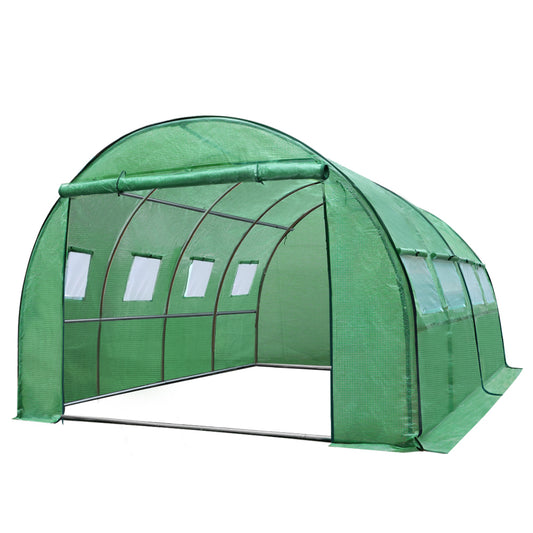
Green Fingers Greenhouse 6x4x2M Walk in Green House Tunnel Plant Garden Shed DomeIf you know the weather in Australia, growing your favourite greens can be a challenge at times. Especially when your plants need a constant temperature for optimal growth throughout the seasons. Now, you can have that consistency easily with our all-weather Greenhouse.Suitable for home...54% off
- $263.63
-
$582.99 - $263.63
- Unit price
- per
-
Green Fingers Greenhouse 2.7x0.9x0.9M Mini Green House Raised Garden Bed Planter BoxGrowing greens in Australia can be challenging due to unpredictable weather. Our all-weather Greenhouse offers a consistent temperature for optimal growth year-round.Perfect for home or light commercial use, it protects against extreme weather and pests, ensuring your plants thrive. The greenhouse retains heat for...37% off
- $45.90
-
$72.99 - $45.90
- Unit price
- per
-
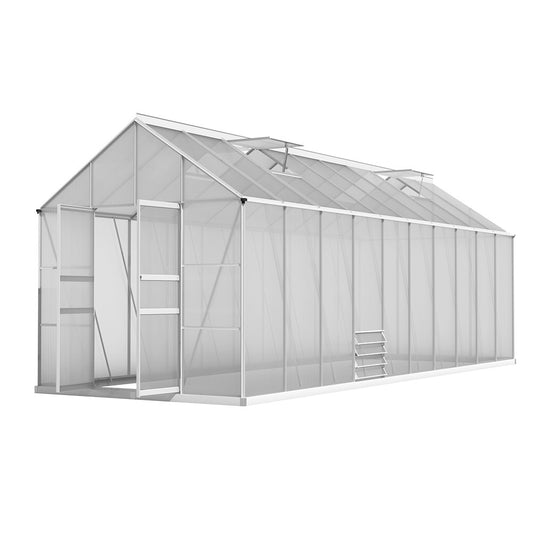
Green Fingers Greenhouse 4.7x2.5x2.26M Double Doors Aluminium Green House Garden ShedThe Green Fingers Aluminium Greenhouse is ideal for passionate gardeners.With a spacious 26.56m volume, it accommodates many plants and vegetables. The twin-wall UV-resistant polycarbonate panels allow 90% light transmission while reducing plant burn risk.Its triangular aluminum framework enhances durability, and two adjustable roof vents...31% off
- $659.53
-
$966.99 - $659.53
- Unit price
- per
-
Green Fingers Garden Bed 120x40x36cm PP Planter Box Raised Container Growing HerbPlan to grow your own greens? Carrots, radishes, lettuce, spinach, onions, tomatoes or strawberries, our PP Raised Garden Bed can help to grow them all easily. The garden bed is easy to put together and durable in every weather condition. Set it up, add...41% off
- $51.30
-
$87.99 - $51.30
- Unit price
- per
-
Green Fingers Greenhouse 4x3x2M Walk in Green House Tunnel Plant Garden Shed DomeIf you know the weather in Australia, growing your favourite greens can be a challenge at times. Especially when your plants need a constant temperature for optimal growth throughout the seasons. Now, you can have that consistency easily with our all-weather Tunnel Greenhouse. Suitable...34% off
- $142.45
-
$216.99 - $142.45
- Unit price
- per
-
Green Fingers Greenhouse 9x3x2M Walk in Green House Tunnel Plant Garden Shed DomeInclement weather can make growing your favourite crops and flowers a challenge, especially when your plants require consistent temperatures. Now, you can cultivate plants anywhere, any time of the year, thanks to the Green Fingers all-weather Greenhouse. Suitable for home or light commercial use,...34% off
- $329.00
-
$499.99 - $329.00
- Unit price
- per
-
Green Fingers Greenhouse 1.9x1.9x1.83M Aluminium Polycarbonate Green House Garden ShedIf you're passionate about gardening, the Green Fingers Aluminium Greenhouse is an excellent choice for nurturing your plants.Boasting a generous 6.64m capacity, it accommodates numerous plants. The structure is fitted with 4mm twin-wall UV-resistant polycarbonate panels, allowing for 90% light transmission while protecting against...25% off
- $398.00
-
$532.99 - $398.00
- Unit price
- per
-
Green Fingers Greenhouse 2.42x2.5x2.26M Aluminium Double Doors Green House Garden ShedFor plant and vegetable enthusiasts, the Green Fingers Aluminium Greenhouse is perfect for nurturing your garden. With a spacious volume of 13.56m, it features UV-resistant twin-wall polycarbonate panels for optimal light transmission.Its sturdy aluminum frame ensures durability, while adjustable roof vents provide excellent airflow....28% off
- $462.00
-
$649.99 - $462.00
- Unit price
- per
-
Green Fingers Grow Tent 120x120x200CM Hydroponics Kit Indoor Plant Room SystemHydroponic Grow Tent 200cm The tent includes fittings and spaces for various sized fans, lights and filters, itis easily accessible with zipped and velcro covers.Features* Strong steel construction * Heavy duty corner connectors * Easy to install, no tools needed * Spacious interior *...50% off
- $115.20
-
$232.99 - $115.20
- Unit price
- per
-
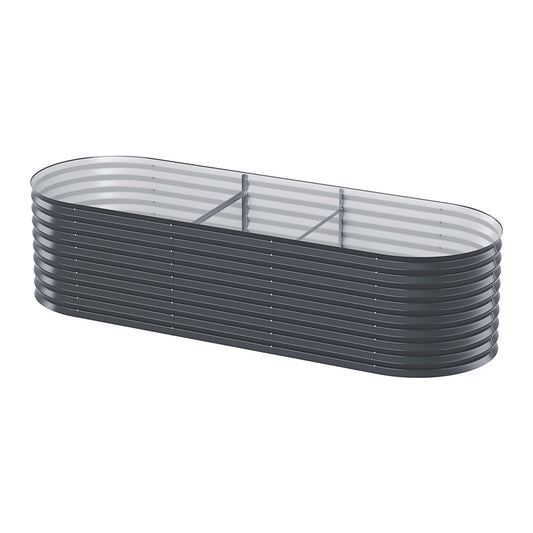
Green Fingers Garden Bed 240X80X56cm Oval Planter BoxPlan to grow your own greens? Carrots, radishes, lettuce, spinach, onions, tomatoes or strawberries, our Gavlanised Raised Garden Bed can help to grow them all easily. Made of quality SGCC steel with epoxy powder coating, our galvanised raised garden bed has a low reaction...35% off
- $118.80
-
$182.99 - $118.80
- Unit price
- per
-
Green Fingers Greenhouse 3.5x2x2M Walk in Green House Tunnel Plant Garden ShedGrowing greens in Australia's unpredictable weather can be tough. Our all-weather Greenhouse provides a stable, warm environment for your plants, helping them thrive year-round.Perfect for home or light commercial use, it shields your garden from harsh weather, pests, and even pets. The greenhouse traps...42% off
- $104.40
-
$182.99 - $104.40
- Unit price
- per
-
Green Fingers Grow Tent 90x90x180CM Hydroponics Kit Indoor Plant Room SystemHydroponic Grow Tent - 180cm Whether you're a budding novice or a seasoned green thumb, our Greenfingers hydroponics grow tent is just perfect for you. Lightweight and portable, our grow tent is equipped with all the necessary essentials to facilitate healthy growth of your...36% off
- $112.50
-
$176.99 - $112.50
- Unit price
- per
-
Green Fingers Greenhouse 6x3x2M Walk in Green House Tunnel Plant Garden Shed DomeIf you know the weather in Australia, growing your favourite greens can be a challenge at times. Especially when your plants need a constant temperature for optimal growth throughout the seasons. Now, you can have that consistency easily with our all-weather Greenhouse. Suitable for...36% off
- $253.45
-
$399.99 - $253.45
- Unit price
- per
-
Green Fingers Grow Tent Kits 300x150x200cm Hydroponics Indoor Plant Grow SystemWhether you're a budding novice or a seasoned green thumb, our Greenfingers hydroponics grow tent is just perfect for you. Lightweight and portable, our grow tent is equipped with all the necessary essentials to facilitate healthy growth of your plants and vegetables. The tent...47% off
- $237.73
-
$449.99 - $237.73
- Unit price
- per
-
Green Fingers Greenhouse 180x240x240cm Steel Frame PE Cover Outdoor ShelterElevate your gardening experience with the Green Fingers Instant Pop-up Greenhouse. Designed for ultimate convenience, this 180 x240cm walk-in greenhouse features center-lock technology, allowing a single person to set it up in seconds without any tools. Its robust, powder-coated steel frame ensures exceptional stability...63% off
- $145.00
-
$399.99 - $145.00
- Unit price
- per
-
Green Fingers Mini Greenhouse 240x90x90cm Steel Frame PE Cover Outdoor ShelterGrow your plants with ease using the Green Fingers Mini Greenhouse. Designed for small gardens, patios, and balconies, it provides a protected environment that helps young plants thrive. The steel frame offers lasting stability, while the polyethylene cover keeps out harsh weather and maintains...47% off
- $52.20
-
$99.99 - $52.20
- Unit price
- per
-
Green Fingers Greenhouse 4.1x2.5x2.26M Double Doors Aluminium Green House Garden ShedIf you are passionate about your flora and vegetables, the Green Fingers Aluminium Greenhouse is certainly worthy of your consideration in helping your vegetation blossom and bear fruit beautifully. This spacious greenhouse has a massive volume of 23.17m³ and can accommodate a considerable number...31% off
- $654.23
-
$949.99 - $654.23
- Unit price
- per
-
Green Fingers Greenhouse 6.03x2.44x2.68M Double Doors Aluminium Green House Garden ShedIf you're passionate about plants and vegetables, the Green Fingers Aluminium Greenhouse is a great choice for helping them thrive.With a spacious volume of 39.43m, it accommodates numerous plants and features 4mm thick twin-wall UV-resistant polycarbonate panels for optimal light transmission while reducing burnout...33% off
- $889.49
-
$1,332.99 - $889.49
- Unit price
- per
Greenhouses
Greenhouses
Our greenhouse range covers walk-in tunnels, aluminium and polycarbonate kits, mini greenhouses and indoor grow tents. Whether you're working with a courtyard, a windy backyard or a spare corner for seedlings, there's a Green Fingers option sized to your space and growing goals. How to choose a greenhouse for your...
Our greenhouse range covers walk-in tunnels, aluminium and polycarbonate kits, mini greenhouses and indoor grow tents. Whether you're working with a courtyard, a windy backyard or a spare corner for seedlings, there's a Green Fingers option sized to your space and growing goals.
How to choose a greenhouse for your garden
Start with your site, not the catalogue. Measure the footprint you can actually give up, check how many sun hours it gets, and note how exposed it is to wind. Those three things matter more than how many plants a greenhouse can technically hold.
Then think about what you want to grow. Seedlings and herbs need very little room. Year-round tomatoes, chillies and leafy greens want a walk-in. Match the frame and cover to your climate too. Light steel and PE handle seasonal protection. Aluminium with twin-wall polycarbonate (two panel layers with an insulating air gap) gives you stronger insulation and better UV control.
A practical note from experienced growers: the right greenhouse is the one you can reach into comfortably and anchor properly on your site, not the biggest one that'll fit. Leave room to walk, water and prune.
Walk-in tunnel greenhouses
Walk-in tunnels use a steel frame with a PE cover. They're the most affordable way to get usable growing volume, and they suit seasonal protection, bulk seedlings and light commercial use. The 4x3m walk-in tunnel is a solid starting size for a family vegie patch. The 6x4m steps up to serious year-round growing. The 9x3m suits long rows or a market garden. Tunnels catch the wind, so firm anchoring with ground pegs or sandbags is essential in exposed yards.
Aluminium and polycarbonate greenhouses
Aluminium kit greenhouses with twin-wall UV-resistant polycarbonate panels are the step up from a tunnel. The twin-wall construction (two layers of panel with an insulating air gap) holds heat better overnight and allows around 90% light transmission while reducing plant burn. Adjustable roof vents and sliding doors help manage summer heat. The range starts compact with the 1.9x1.9m aluminium greenhouse for small backyards and goes up to the 5.1x2.44m model for serious home growers who want room for benches and tall crops.
Mini greenhouses for small spaces
A mini greenhouse suits courtyards, balconies, side paths and renters. The raised 2.7x0.9x0.9m mini greenhouse works as a propagation station for seedlings and herbs, and it extends the growing season without claiming a full garden bed. Compact units heat up fast on sunny days, so open the cover or unzip the panels when temperatures climb to avoid cooking tender seedlings. For a small-space setup, pair a mini greenhouse with compact garden planters.
Grow tents for indoor growing
A 120x120x200cm grow tent gives you a controlled indoor environment for hydroponics or year-round growing in a spare room or garage. It includes fittings for fans, lights and filters, with zipped and velcro covers for easy access. A grow tent isn't a greenhouse substitute. It relies on artificial lighting and ventilation (sold separately) rather than sunlight, so plan your setup budget accordingly.
Greenhouse sizes explained
-
Mini (under 3m long): best for seedlings, herbs and propagation. Suits balconies, courtyards and renters who need something movable.
-
Medium walk-in (around 2 to 3m x 2m): fits mixed veg, tomatoes, chillies and year-round herbs. Good for a keen home grower with a standard backyard.
-
Large tunnel (6m and over): handles bulk crops, overwintering and light commercial use. Leave about a quarter of the floor for paths, benches and watering.
To get the most out of a walk-in, combine it with raised beds inside or alongside.
Why shop with GoodBuyz
-
Australian owned and Melbourne based with local support.
-
Genuine stock with Australian warranty backing.
-
30-day change-of-mind returns on eligible unopened items.
-
Free shipping over AUD 200 (bulky and partner-warehouse exclusions apply).
-
Layby available on eligible orders.
Need somewhere to store the tools and bulky gear? Have a look at our garden sheds range.
FAQs
Is a polycarbonate greenhouse better than a plastic one?
Twin-wall polycarbonate generally outperforms single-layer PE plastic for insulation, UV protection and lifespan. Polycarbonate kits hold heat better overnight and resist yellowing. PE tunnels are lighter and cheaper, which suits seasonal use or larger footprints. The better choice depends on whether you want year-round growing or budget-friendly seasonal cover.
Do greenhouses need to be anchored?
Yes. Every greenhouse, from mini units to large tunnels, needs anchoring to the ground. Tunnel greenhouses use ground pegs, ropes or sandbags. Aluminium kits are usually bolted to a base, slab or timber frame. Skipping this step is the main reason backyard greenhouses collapse or lift in strong winds.
What can you grow in a greenhouse in Australia?
Most home growers use a greenhouse for tomatoes, chillies, cucumbers, capsicum, herbs, leafy greens and seedlings. In cooler regions, a greenhouse extends the warm-season window for heat-loving crops. In warmer zones, it protects cool-season greens from harsh sun. Keep plants in shape with the right pruners for pruning and training inside your greenhouse.
Does a greenhouse need council approval?
Most small backyard greenhouses are treated as exempt structures, but rules vary by council, zone and size. Larger tunnels, permanent slab foundations or structures close to boundaries may need approval. Check with your local council before buying a large kit. This is general guidance only and not legal advice.
How do you stop a greenhouse overheating in summer?
Open roof vents and doors on hot days, add shade cloth over the roof, and water the floor to lift humidity and cool the air. Aluminium kits with adjustable roof vents handle summer heat better than sealed tunnels. For mini greenhouses, unzip or lift the cover entirely on days above 30 degrees.
Do you deliver greenhouses across Australia?
Yes, we deliver nationwide. Many greenhouses ship from partner warehouses rather than our Melbourne distribution centre, so delivery times vary by product and postcode. Some bulky items have delivery exclusions or surcharges to remote areas. Check the shipping details on each product page before you order.
You might also like
-
Potting benches and shelving
-
Watering and irrigation
-
Garden tools and pruners
Filter